
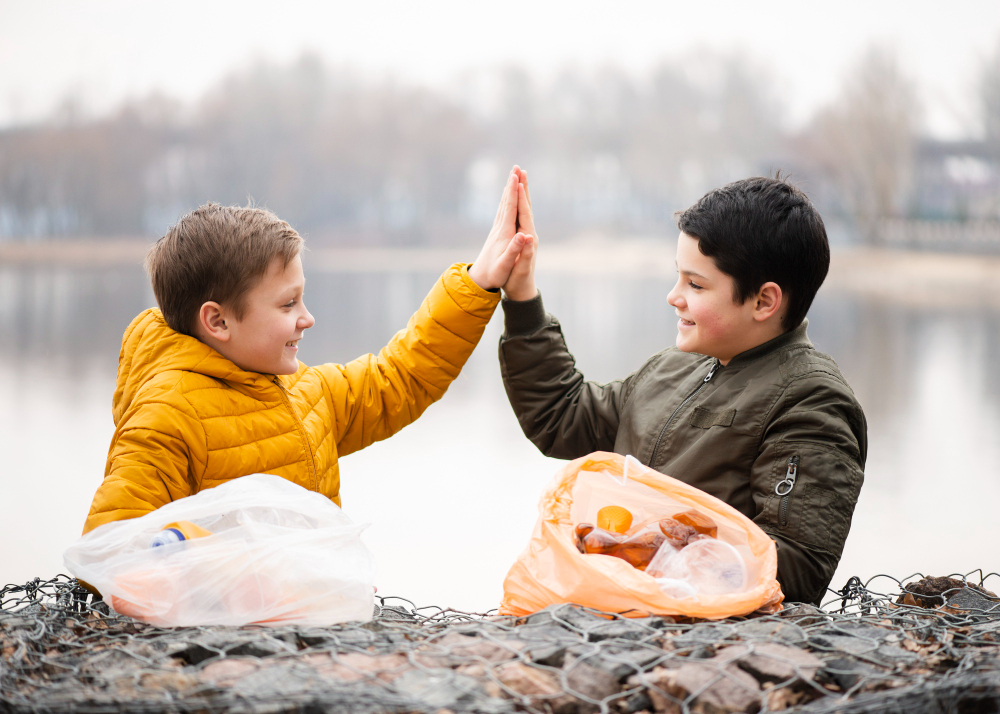
Friendships are one of the most important parts of a child’s school life. They teach empathy, cooperation, and problem-solving, but they can also bring tears, frustration, and confusion.
At Scoil Sinéad, we believe that learning how to manage friendship ups and downs is a vital life skill. With gentle guidance, children can learn to build healthy, respectful, and lasting connections.
Here are five ways parents can support children as they navigate friendships.
-
Listen First, Fix Later
When your child comes home upset, resist the urge to jump straight to solutions.
Give them space to talk, and listen without judgment.
Say, “That sounds hard, tell me what happened.”
Often, being heard is what helps them calm down and begin to think clearly. -
Teach the Language of Feelings
Help children name their emotions and recognise those of others: angry, disappointed, jealous, left out.
When they can label feelings, they can express them in words instead of actions.
Simple phrases like “I felt sad when…” empower them to speak up respectfully. -
Encourage Problem-Solving Together
Guide your child to think of possible ways forward.
Ask, “What could you try next time?” or “How do you think your friend felt?”
This builds empathy and resilience.
It also teaches that conflict doesn’t mean the end of a friendship, it’s a chance to understand each other better.
Why Peer Friendships Matter
It’s wonderful when children see their parents as their friends, it shows trust and emotional safety.
But as children grow, they also need friendships with peers to learn lessons that adults simply can’t teach.
Through peer relationships, children discover how to take turns, compromise, share space, and repair misunderstandings.
These experiences shape independence, confidence, and identity.
For children with additional needs, peer connection is especially valuable.
They may need extra guidance to socialise, but those skills develop best when they’re surrounded by children who think, play, and communicate in different ways.
Spending time only with peers who share the same challenges can feel comfortable, but it limits growth.
True inclusion happens when every child learns with and from others.
Parents can help by encouraging mixed-ability and community friendships, joining a local club, visiting the playground, inviting a classmate for a short playdate, or simply allowing time for unstructured outdoor play.
It may take patience, but these small steps help children build real connections and a sense of belonging.
“Children grow through connection. They need us to love them, but they need their peers to teach them how to belong.”
- Model Kindness and Boundaries
Children learn from what they see.
Show them that kindness and self-respect can exist together.
You can say, “It’s okay to forgive, and it’s also okay to take a break if someone isn’t being kind.”
Healthy friendships balance giving and receiving. - Celebrate Positive Friendship Moments
Notice when your child is being a good friend, sharing, including others, or showing patience.
Reinforce it by saying, “I saw how you helped your friend today, that was thoughtful.”
Positive reinforcement encourages empathy to grow naturally.
“Friendships teach children how to see the world through someone else’s eyes.”
Try This at Home
Use stories, cartoons, or movies as conversation starters.
Pause and ask, “How do you think that character felt?” or “What could they have done differently?”
It’s an easy, pressure-free way to build social awareness and empathy.
At Scoil Sinéad, we know that social learning is just as important as academic learning.
When children understand friendship, they also learn compassion, communication, and confidence, skills that last a lifetime.